

Today in the garden
Wednesday, September 16 · Waxing crescent, 27% lit · 12h 13m daylight · equinox in 6 days
Moon
Waxing crescent, 27% lit
Traditional time to sow leafy crops.
Today
Wednesday, September 16
The 2026 edition, kept daily
Daylight
12h 13m
Losing 3 min a day (at 40 N)
Autumn equinox
6 days away
September 22, 2026
In the garden this September
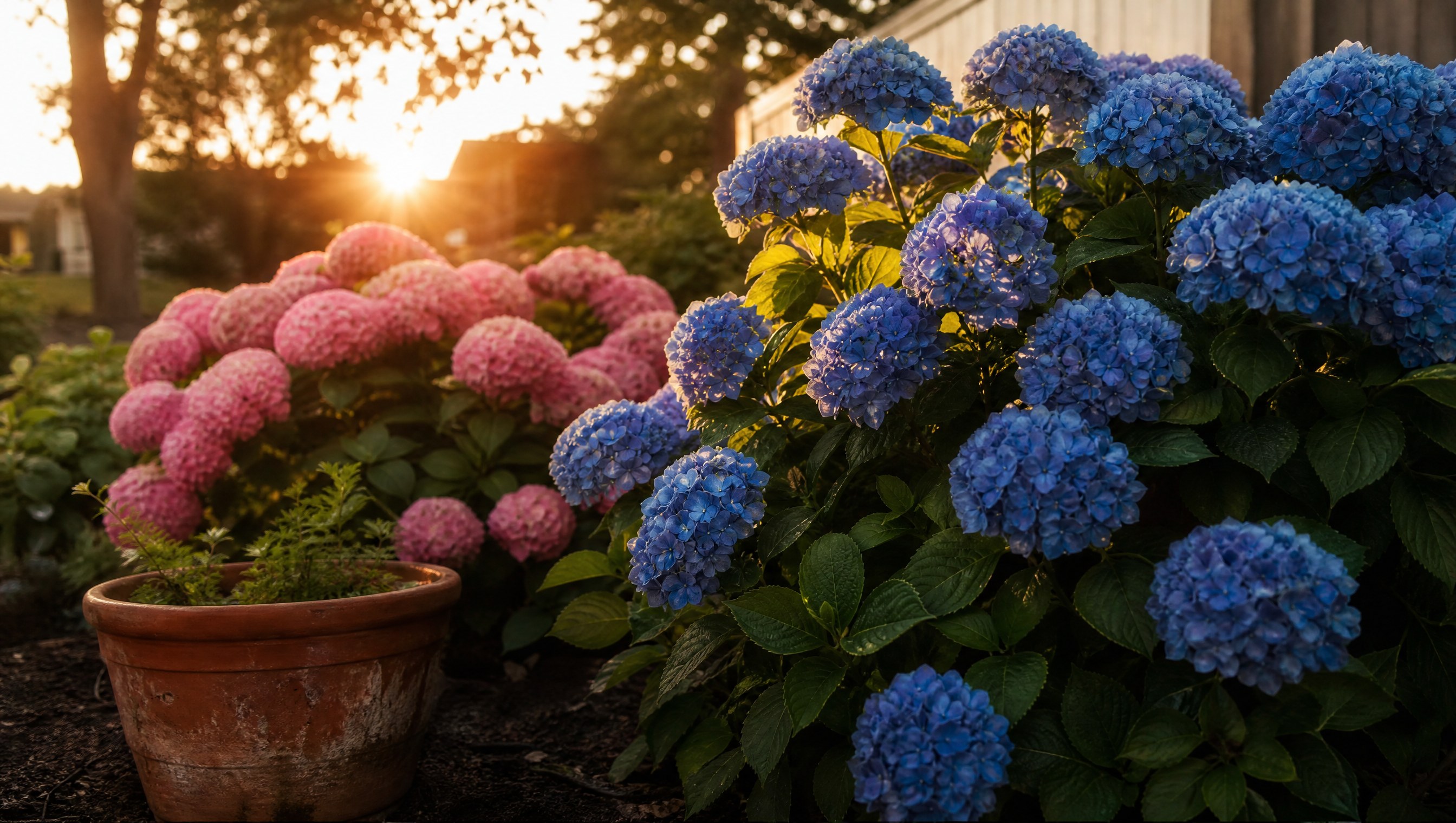
The cheapest soil test you own is blooming right now.
A mophead hydrangea reads the chemistry of the ground it grows in and prints the answer in color. Blue means acid, pink means sweet. How to read the shrub by the front walk, and how to change its mind.

Tip of the day
Step like a heron.They feel vibration, not sound. Slow, soft steps get you within arm's reach; a normal walk empties the lawn ahead of you.
From the almanacLatest from the almanac
Find more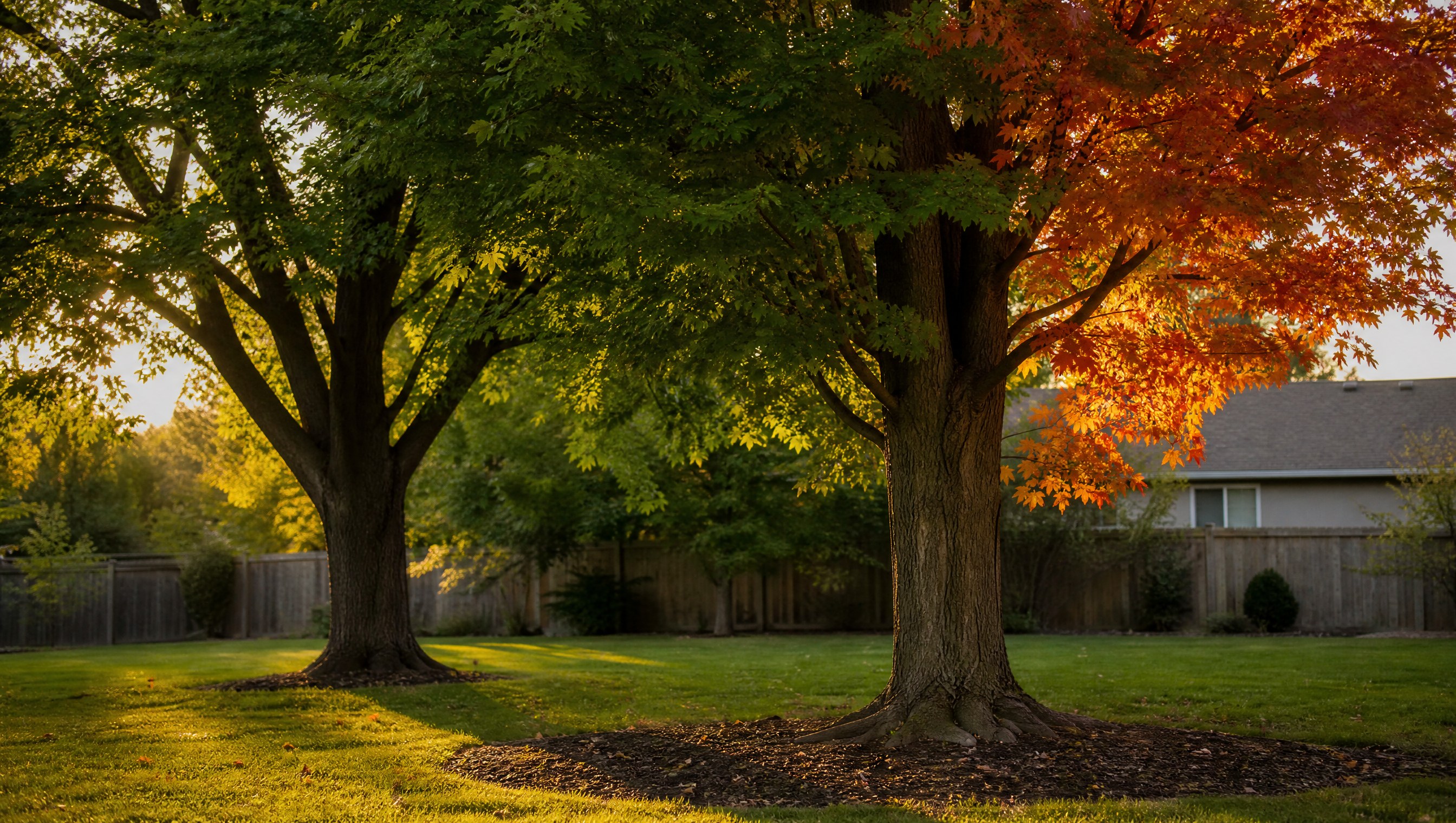

Watering & care · Sep 16, 2026
The Tree That Turned Early
A field note from the back lawn. One of the two maples went orange on its west side in the first week of September while its twin stayed green, and the tree was not announcing the season. It was announcing a root. What I found at the base in the morning, which early colours are normal and which are a flag, and the three things to look for where the trunk meets the ground.

Kitchen garden · Sep 16, 2026
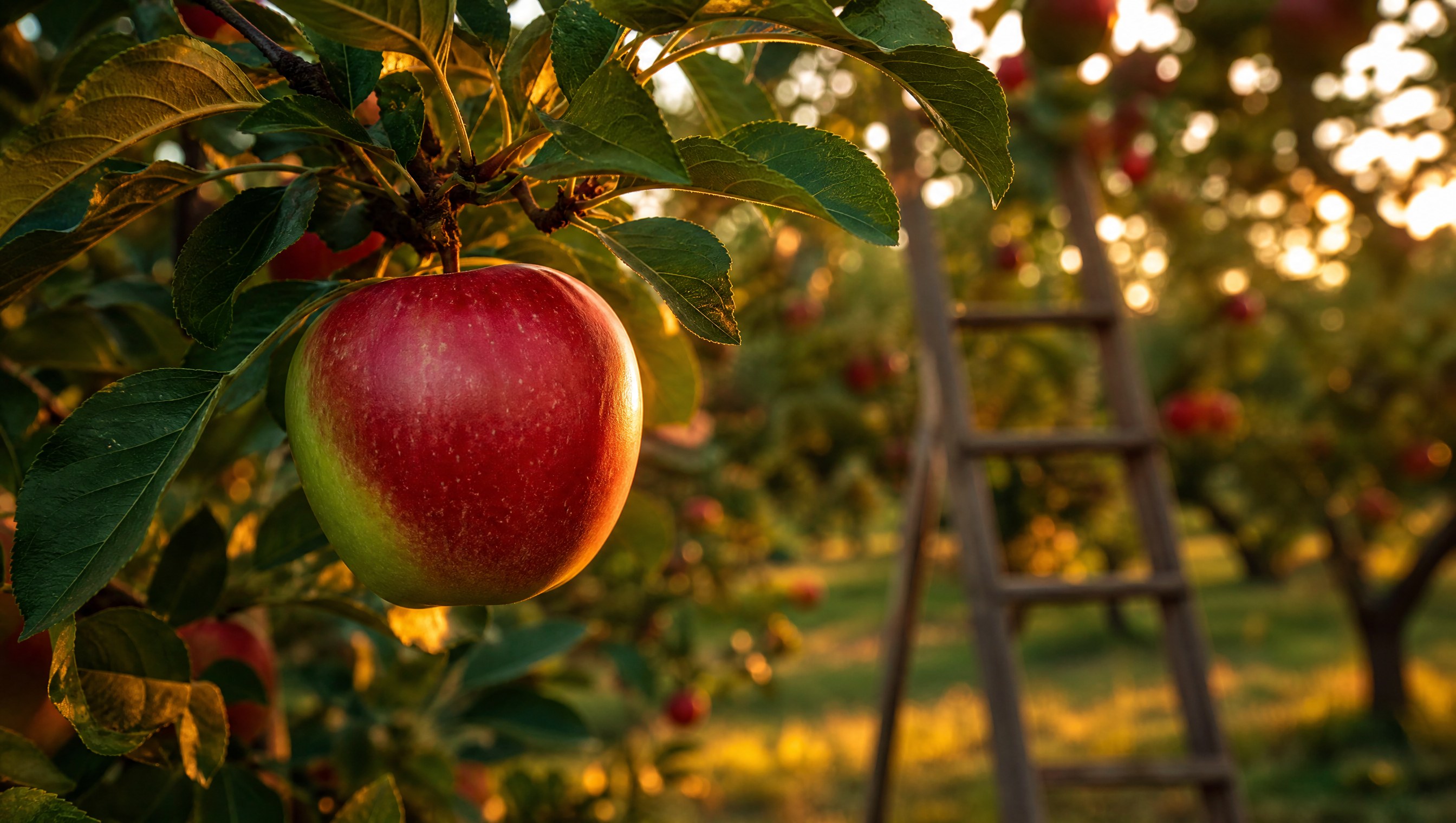
Why the Apple Is Red on One Side and Green on the Other
Turn an apple on its stem and the back of it is often a different colour from the front. The red is not sent up from the leaves and it is not a sign of ripeness. It is made in the skin, on the spot, and only where light lands. How the skin does it, why a green apple cannot, what the orchards in Japan do with paper bags, what cold nights add, and the one thing red never tells you about an apple.

Watering & care · Sep 15, 2026
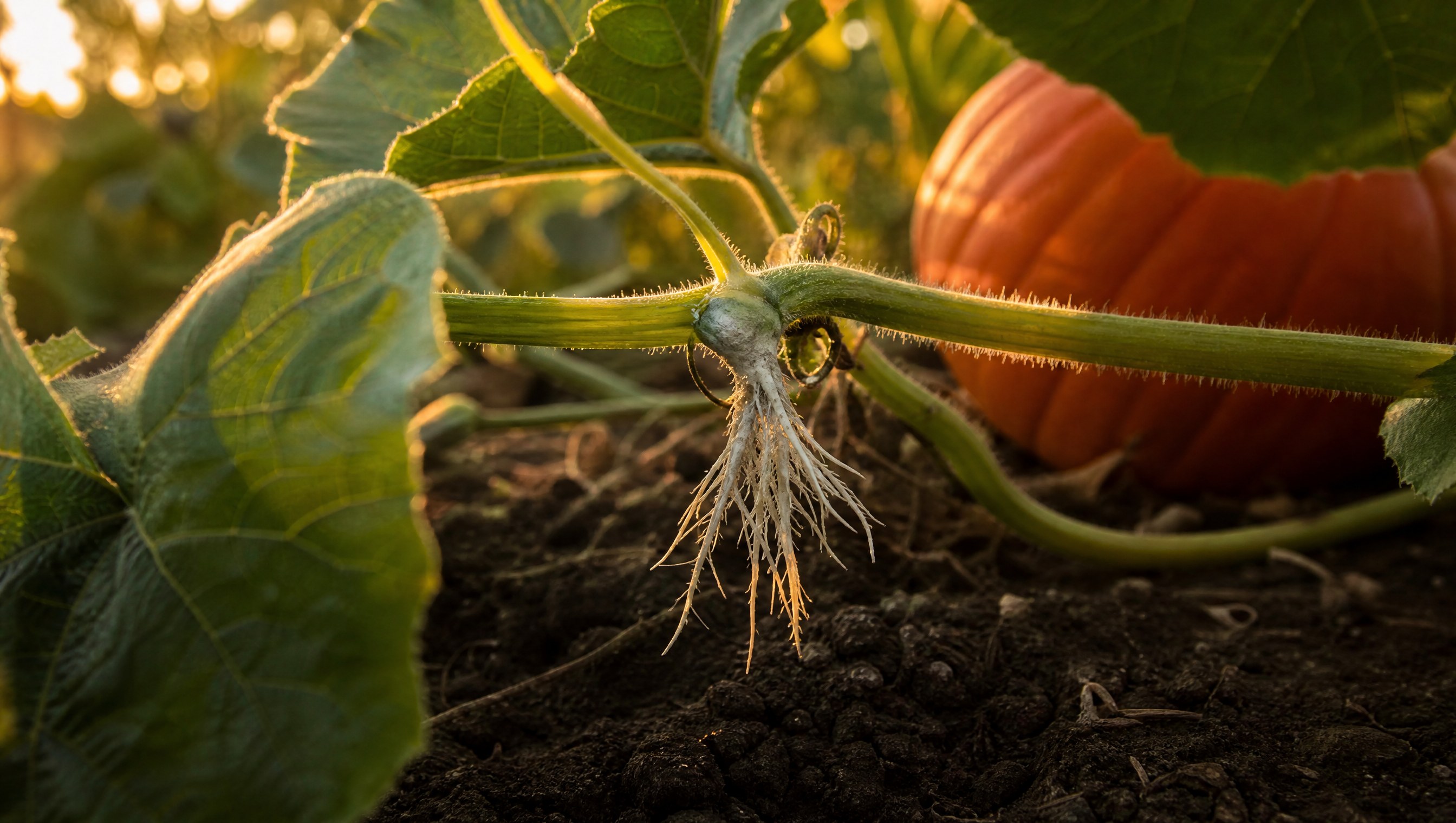
The Pumpkin Vine Plants Itself as It Goes, and That Is Why the Borer Did Not Kill It
Lift a pumpkin vine tonight and look under the leaf joints. At every joint that lay on damp soil there is a tuft of white roots, a second root system the plant grew for itself on its way across the bed. What those roots are for, which squash grow them and which cannot, how they save a plant the vine borer has hollowed out, and the one time in the season it is safe to move a vine.

Kitchen garden · Sep 15, 2026
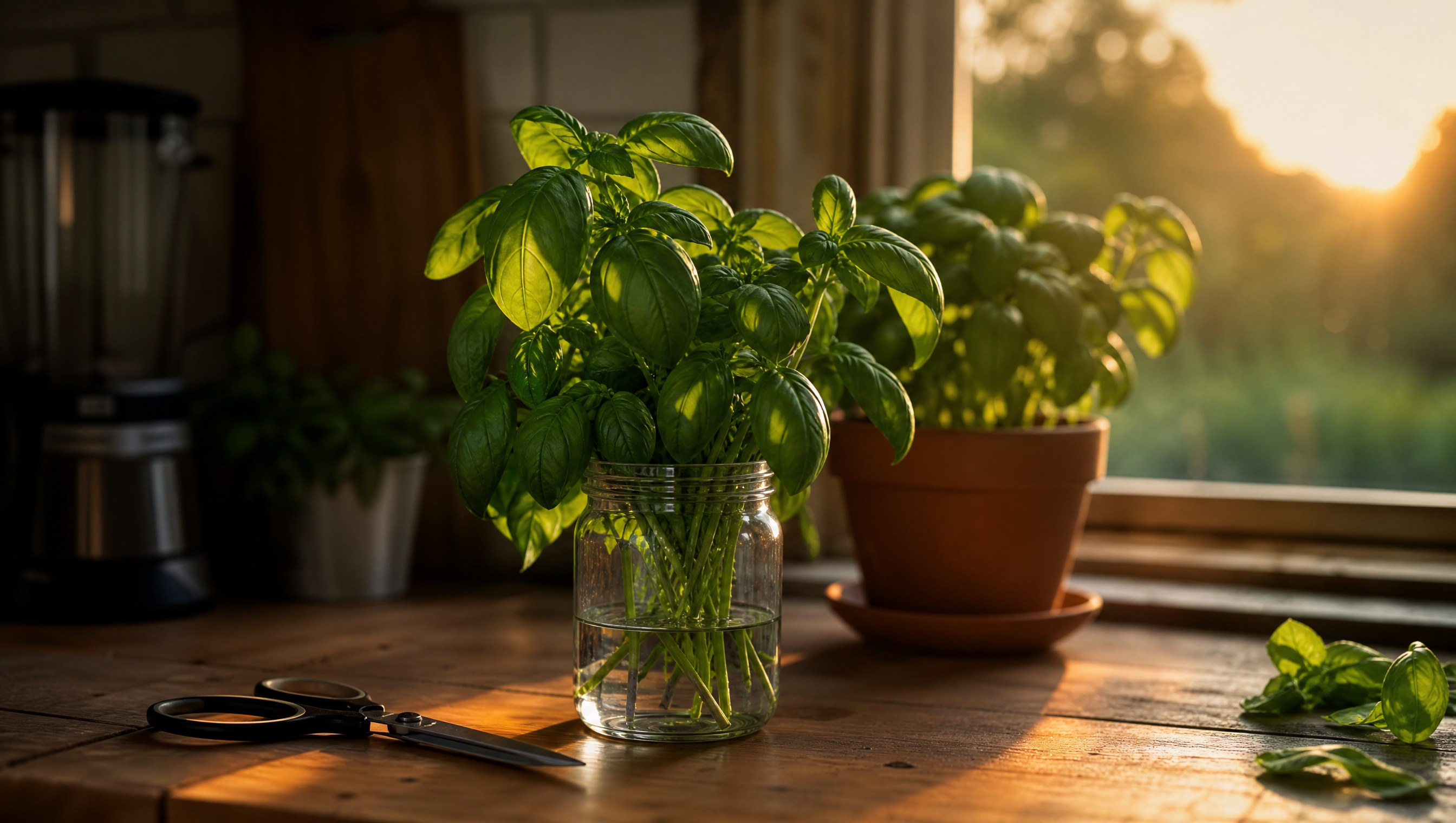
Bring the Basil In Before Fifty
A field note from the kitchen step. Basil is the one plant in the garden that dies of cold weeks before anything freezes, and the night it happens is the night the forecast says forty eight. What I found on the step the morning I did not listen, why the tomatoes next to it never noticed, and the two ways to keep the last of it.
“Sow peas and beans in the wane of the moon; who soweth them sooner, soweth too soon.”
Old garden saying
Reader favorites
Find more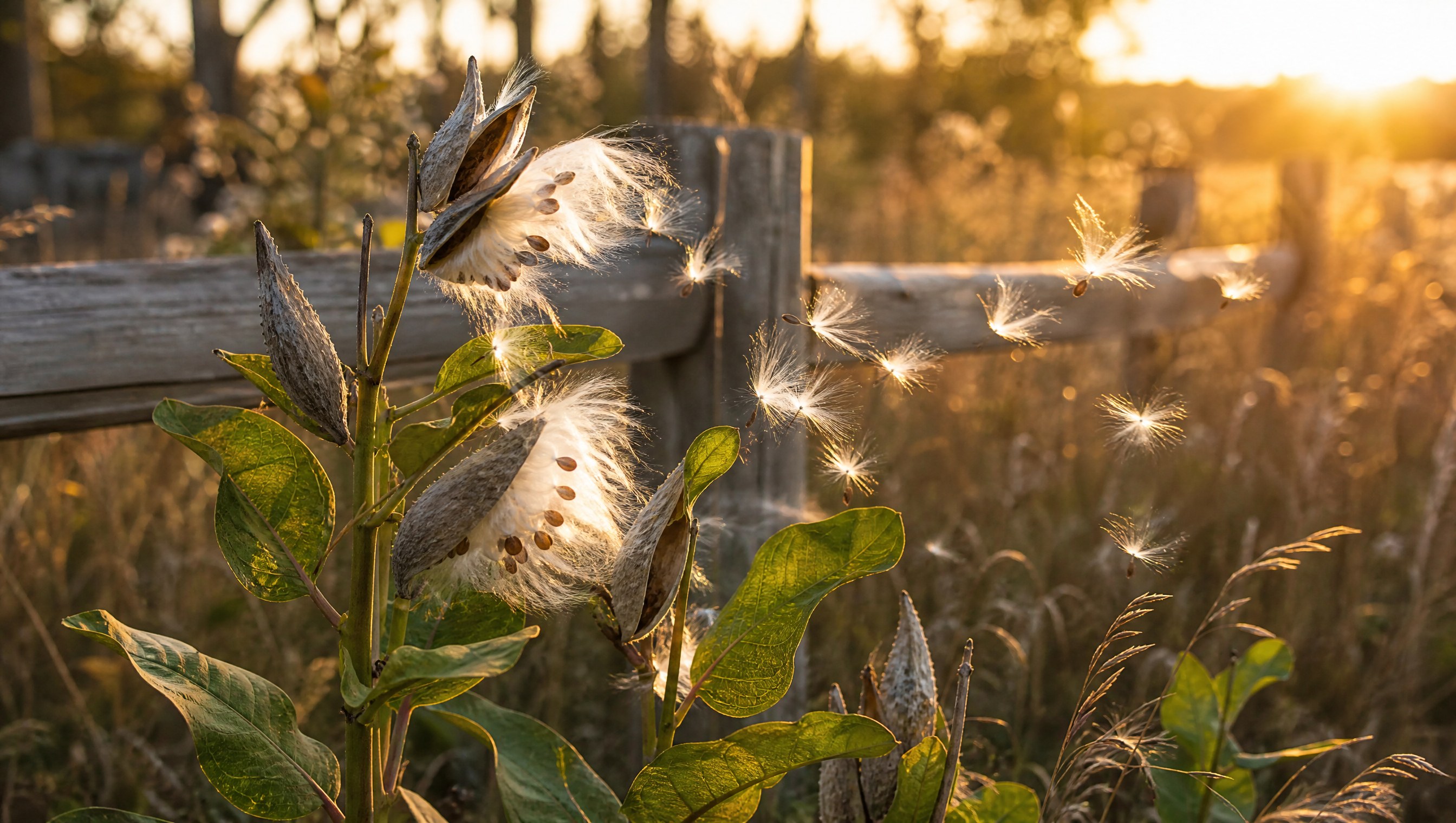

Planting & timing · Sep 6, 2026
How to Collect and Sow Milkweed This Fall
The pods splitting along the roadside this month are the easiest wildflower you will ever plant, and fall is the only season that works without a refrigerator. Which pods to pick, how to get the silk off in thirty seconds, where the seed goes, why you never bury it, and the one milkweed not to plant in the South.



Did you know
An inch of rain on a 1,000 square foot garden is about 620 gallons of water.
Garden myths, tested
Find more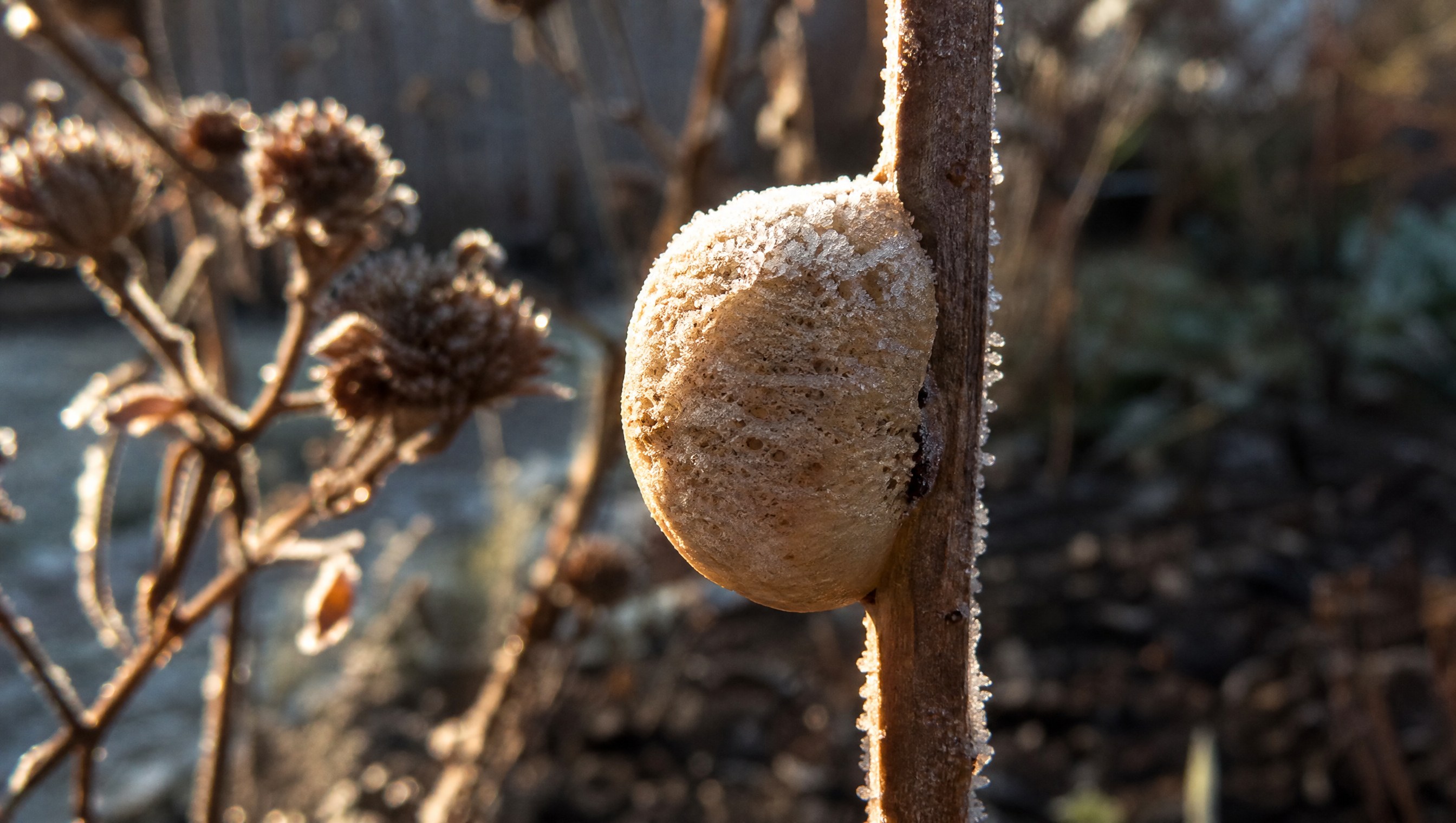

Garden myths · Sep 8, 2026
The Praying Mantis Egg Case in Your Garden: Find It, Leave It, Do Not Bring It In
The mantis on your porch dies at the first hard frost, and everything she leaves behind is a tan foam case the size of a walnut, glued to a stem. What it is, how to find it when you cut the beds down, and the one mistake that fills a kitchen with a hundred mantises in February.

Garden myths · Sep 7, 2026
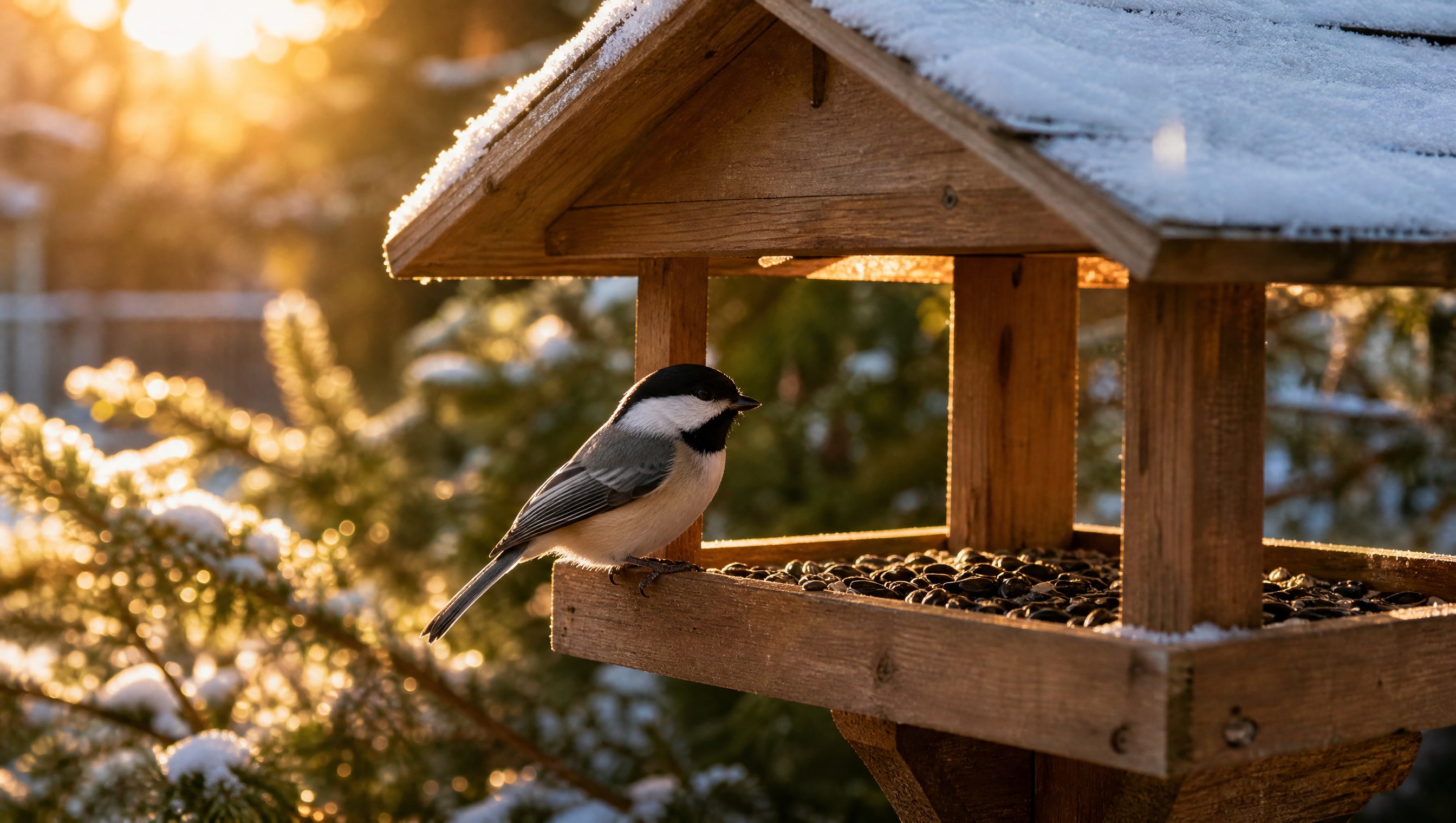
What the Chickadee at Your Feeder Does All Winter
It does not fly south and it does not freeze. Starting this month the chickadee hides thousands of seeds, grows a bigger brain to find them, and spends every winter night alone in a tree hole with its body turned down twenty degrees. The whole winter of the smallest bird on the feeder.

Garden myths · Sep 6, 2026
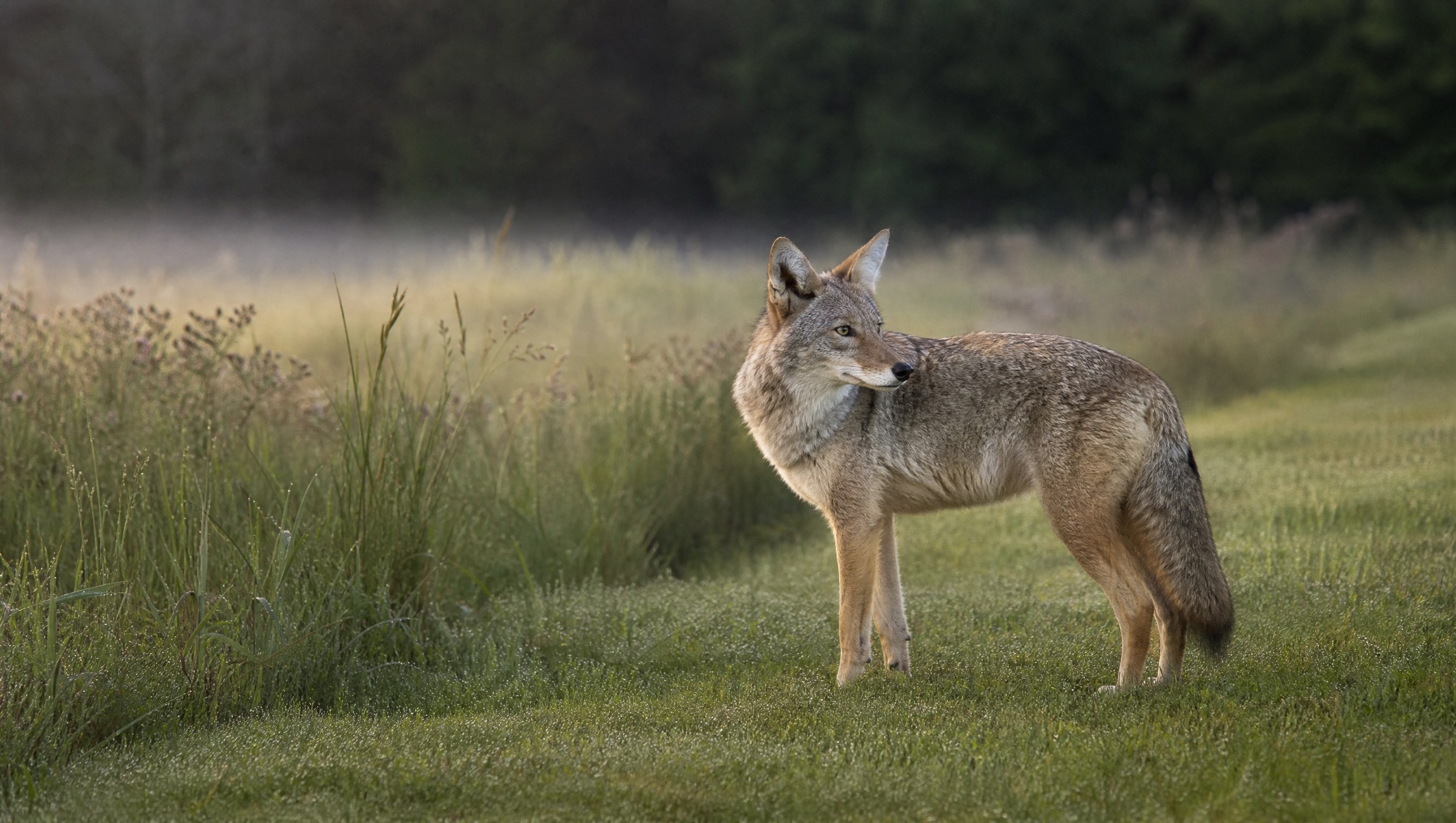
The Pack You Heard Last Night Was Four Coyotes
September is the month the coyotes start singing behind the field, and it always sounds like twenty of them. It is usually a family of four, sometimes two. Why your ear doubles the count, what the biggest urban coyote study ever done found in their diet, and the one honest rule for the cat.

Garden myths · Sep 5, 2026
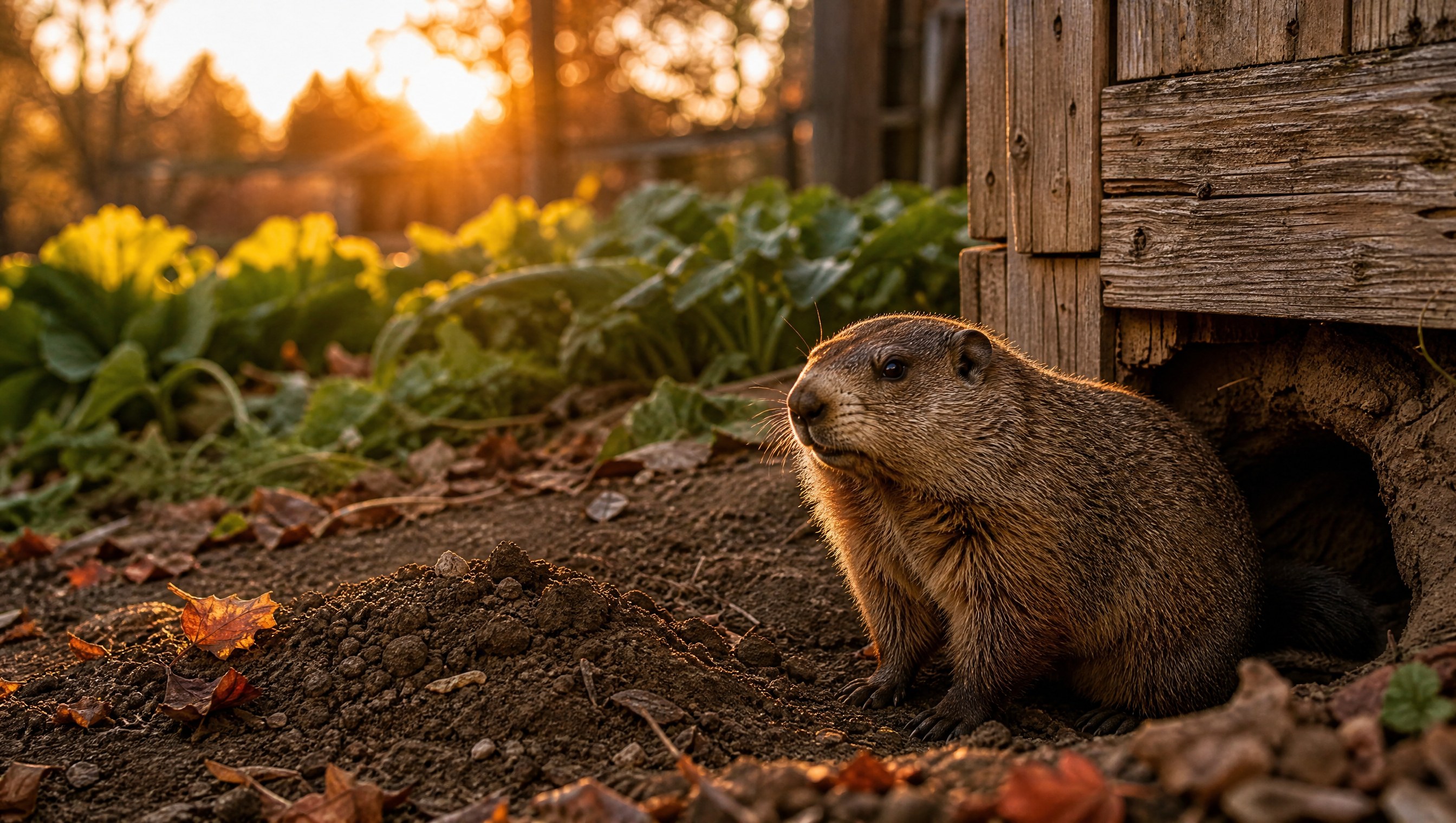
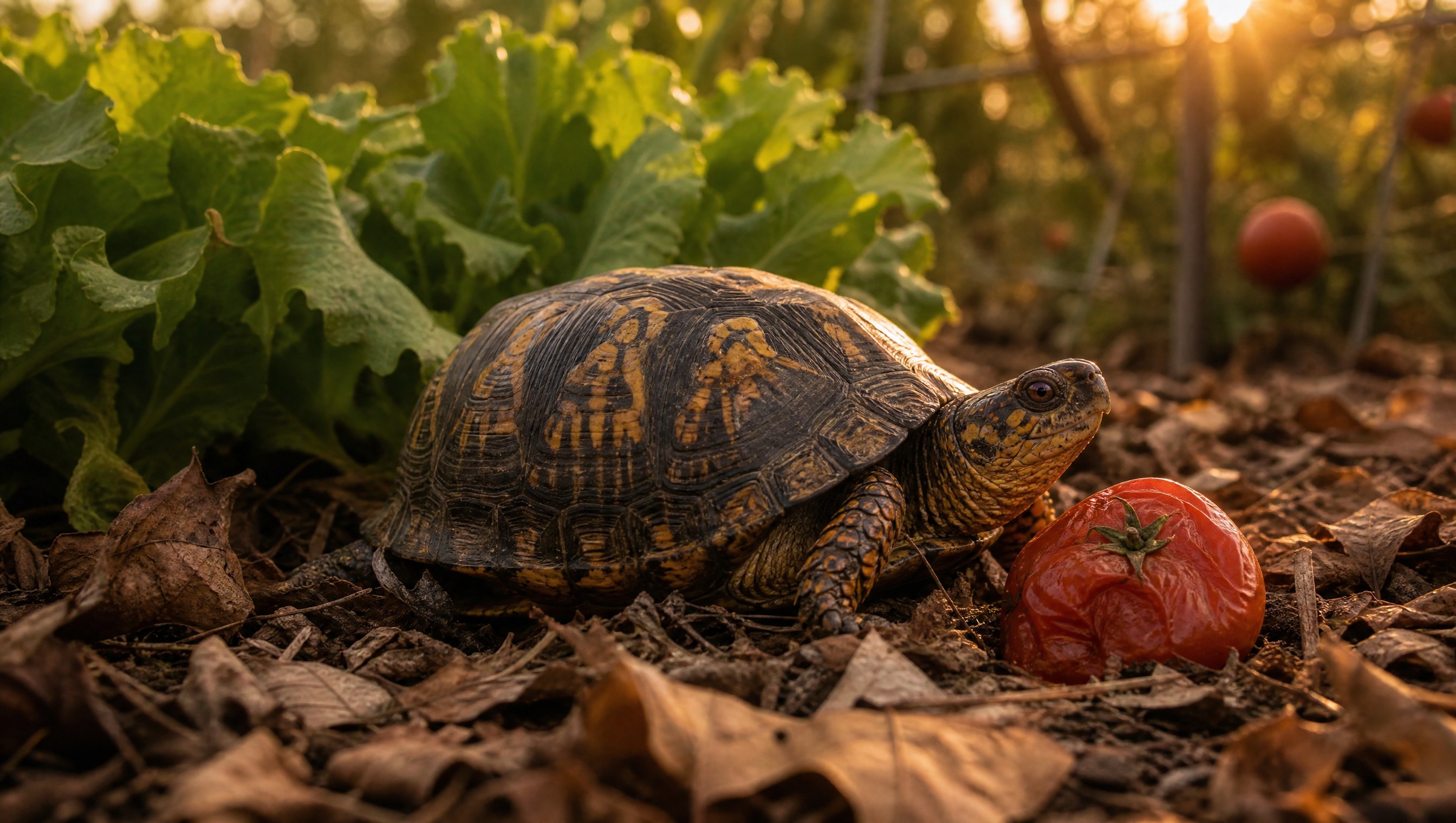
The Box Turtle in Your Garden May Be Older Than Your House
Box turtles live past a hundred and almost never leave a patch a few hundred yards across, so the one eating your fallen tomatoes has likely been there for decades. The kindest thing most people do for one, carrying it somewhere safer, is the thing that kills it. What to do instead, this fall and on the road.
2026
The planting calendar
Month by month: what to sow, what to plant, and what to bring in.
Open the calendar
Sow now
- Spinach
- Lettuce
- Radishes
- Milkweed seed

Plant now
- Mums
- Asters
- Garlic (late month)

Harvest now
- Tomatoes
- Peppers
- Winter squash
- Apples

New from the almanac
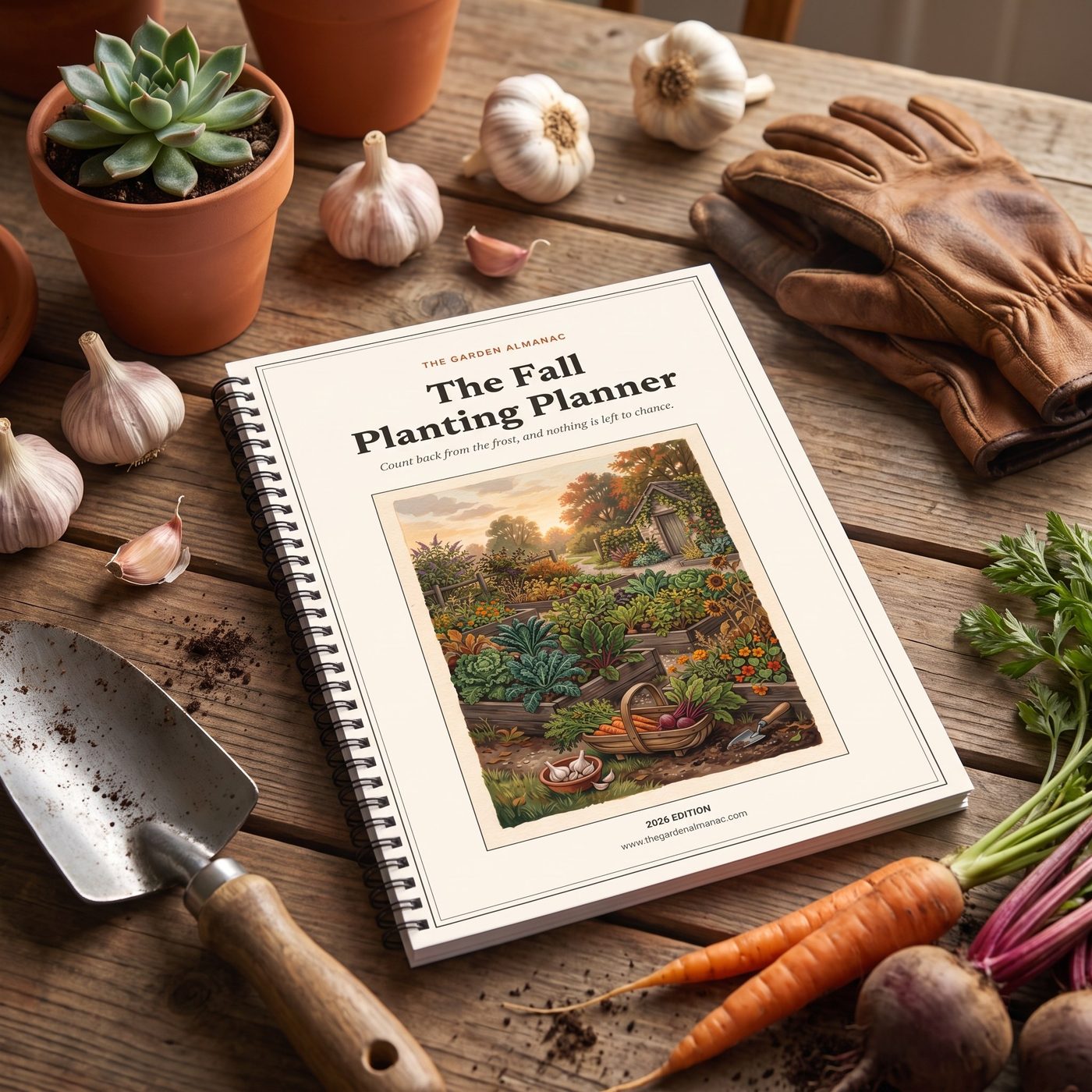
The Fall Planting Planner
Count back from your first frost, and nothing is left to chance. Sixteen crops, a complete garlic guide, and working pages to write in. Twelve pages you print at home, emailed the moment you buy.
See the planner, $9

A gardening community grown from a beloved Facebook page.
What began as shared photos and garden stories has blossomed into a warm, welcoming place where we grow, learn, and swap what works.