
Planting & timing · Aug 2, 2026 · By Nell Harding
Frost dates: the two numbers that run your whole garden
Every packet says 'after all danger of frost.' Here is what that actually means, and how to find yours.
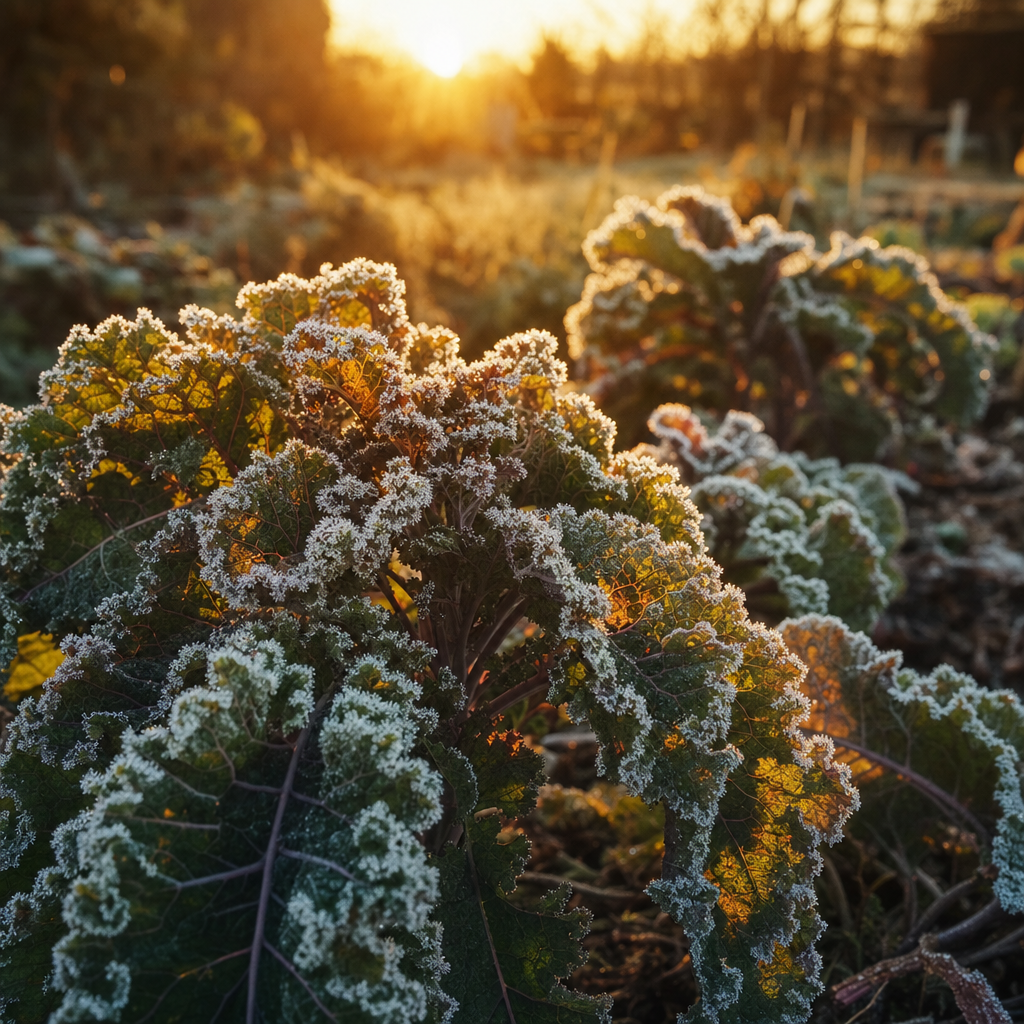

First shared on the Facebook page in June 2026, and kept here since the site opened in August.
Nearly every piece of planting advice you will ever read, including in this almanac, leans on two invisible numbers: your last spring frost and your first fall frost. 'Sow six weeks before last frost.' 'Plant out after all danger has passed.' 'Count backwards from first frost.' The instructions assume you know your dates, and almost nobody actually does. Ten minutes of looking them up converts every vague packet instruction you own into a real calendar.
First, what the dates are not: promises. A frost date is a statistical average of decades of weather records for your area, usually pegged at 50 percent odds. If your last spring frost date is May 5, that means that historically, half of all years saw no frost after May 5, and half did. It is a coin flip pegged to a calendar, not a guarantee, and understanding that changes how you use it.
Finding yours takes one search: your zip code plus 'frost dates' surfaces half a dozen calculators, most drawing on the same weather-station records. Write down both numbers somewhere you will see them, because they are the axis your whole growing year rotates around. Everything in the spring garden counts backward from the last-frost date; everything in fall counts backward from the first.
The spring number is the famous one, and the crops divide cleanly around it. The frost-hardy crowd, peas, spinach, kale, onions, radishes, does not care about it at all and goes in as soon as soil can be worked, weeks before. The half-hardy middle, lettuce, beets, carrots, potatoes, goes in around two weeks before. And the tender crops, tomatoes, peppers, squash, beans, basil, wait until after the date, plus a week or two of buffer if you are wise, because a single late frost erases two months of head start in one night.
That buffer deserves its own sentence, because the 50 percent math makes it rational: waiting a week past the date drops your risk from a coin flip to roughly one year in five; two weeks and it is nearly zero. The neighbors who plant tomatoes on the first warm April weekend and re-buy them in May are not unlucky. They are betting against posted odds, annually.
The fall number is the one experienced gardeners actually use more, because it is a deadline rather than a starting gun. Every fall crop is a subtraction problem: days to maturity on the packet, plus about two weeks (fall growth slows as days shorten), fitted between today and first frost. Our fall sowing guide runs that math crop by crop; the frost date is where the math begins. It also schedules the endgame: green tomatoes come in, squash gets cut and cured, and tender herbs get potted up in the week before the date, not the morning after the forecast says 31.
Frost also plays favorites with geography at a scale no calculator sees. Cold air flows downhill like water and pools in low spots, so a garden at the bottom of a slope can frost a week earlier than one fifty feet uphill. Walls, pavement, and big rocks bank daytime heat and shelter what grows beside them. Water bodies soften everything nearby. Your yard has microclimates, and one season of watching where frost paints first will teach you more about your own dates than any chart.
When a surprise frost is forecast anyway, and one always is, the defenses are cheap and old: water the beds in the afternoon (moist soil holds and releases more heat overnight), then cover tender plants before dusk with sheets, buckets, or row cover, edges pinned to the ground to trap that soil heat. Take covers off in the morning. An old bedsheet deployed at 7 p.m. routinely saves what the calendar said was safe.
One last reframe: frost is a tool as much as a threat. Kale, carrots, parsnips, and Brussels sprouts convert starch to sugar under a light freeze, which is why the almanac keeps telling you fall crops taste better after frost, and why the photo above is a feature, not an accident. The gardener who knows both dates does not merely dodge frost; they schedule around it, and occasionally they plant things specifically to meet it.
