
Watering & care · May 19, 2026 · The 2026 edition
Slugs: what actually stops them
Eggshells fail, copper mostly works, and the beer trap is undefeated. A field guide to the nightly war.
No pest generates more folklore, more products, or more quiet despair than the slug. It works at night, it likes exactly the plants you are proudest of, and by morning the seedling row is a line of stumps. The internet's answers range from excellent to useless, and the almanac's job, as with the eggshells and the weather signs, is to sort them honestly. Here is the nightly war, ranked by what actually works.
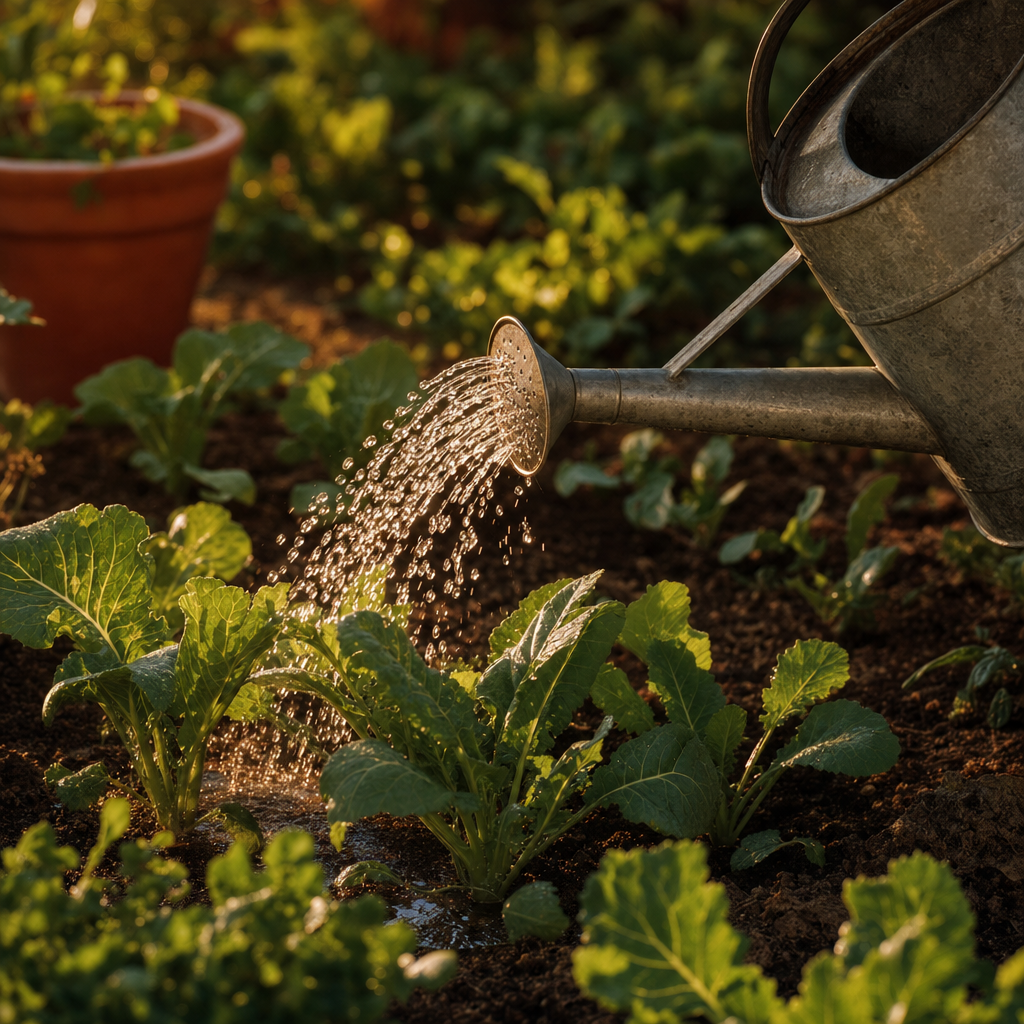
Know the enemy first. Slugs need moisture; they spend dry days under boards, stones, dense mulch, and the shaded skirts of big-leaved plants, and come out on damp nights to feed. That biology writes the strategy: make the bed drier and tidier at night, intercept the travelers, and put the survivors somewhere you can collect them. It also explains why the watering rhythm matters more than any product: a garden sprinkled every evening is a slug resort, its top inch damp all night exactly when they feed. Water deeply in the morning, as the watering entries argue anyway, and the nightly surface is dry. That one habit change is the single most effective slug measure in this entry, and it is free.
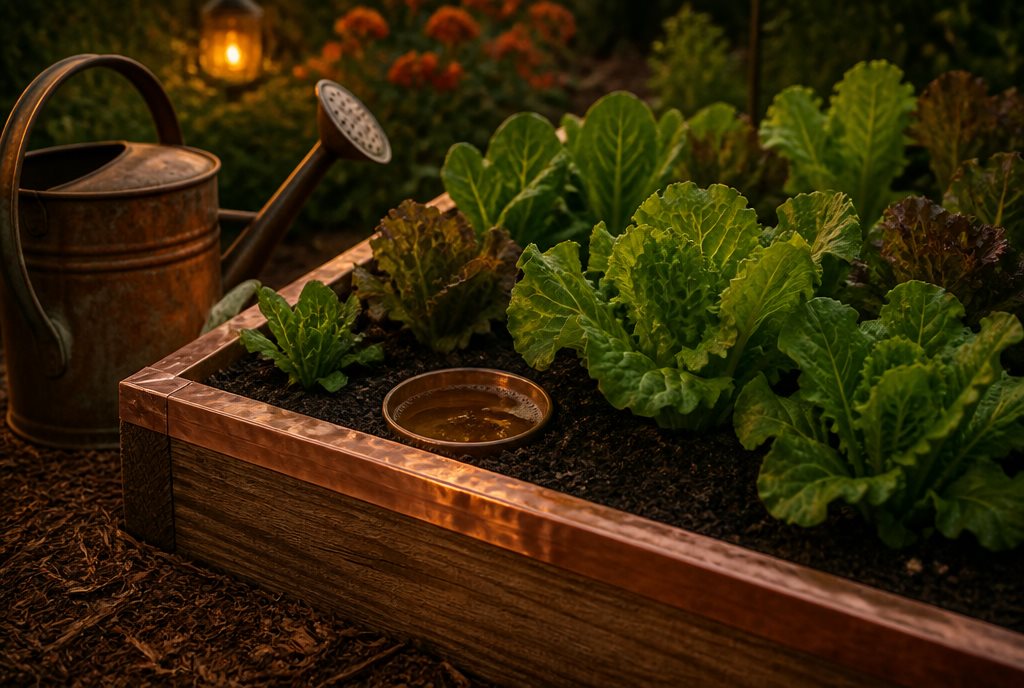
The champion product, meanwhile, is humble: the beer trap. A shallow dish sunk rim-level, half filled with any cheap beer, refreshed every day or two. Slugs track the yeast smell from several feet, climb in, and drown; a good trap line under attack collects dozens a night. Its honest limits: rain dilutes it, it only pulls from a few feet around, and it needs emptying, which is nobody's favorite chore. Sink one dish per few feet of vulnerable row and it is the most lethal dollar you will spend.
Hand picking is the method serious growers admit to. Twenty minutes after dusk with a headlamp and a bucket of soapy water, two or three nights running, collapses a population faster than any barrier. Pair it with trap boards: lay a plank or an upturned melon rind in the path, lift it mid-morning, and scrape the sheltering slugs into the bucket. It is not glamorous. It works better than anything sold in a bottle.
Copper tape is the barrier that mostly earns its reputation; the metal reacts with slug slime and they genuinely avoid crossing it. But it guards perimeters, not territories: a pot rim or a raised-bed edge ringed completely, with no leaf bridging the moat, stays clean. Around an open row it is expensive and easily outflanked, and cheap thin tapes test noticeably worse than wide ones.
If you want a product for open ground, iron phosphate pellets are the honest one: a naturally occurring compound, approved for organic growing, and safe around pets and wildlife when used as directed. Slugs that eat it stop feeding and die in their shelters. It is the modern replacement for the old metaldehyde baits, which are genuinely dangerous to dogs and wildlife and which this almanac will not recommend at any dose.
Now the folklore shelf. Crushed eggshells fail; the eggshell entry watched slugs cross the shards without hesitation, and controlled trials agree, so keep the shells for the compost. Coarse sand and gravel fail the same way; slime is precisely the technology that makes terrain irrelevant. Salt kills the slug you sprinkle and ruins the soil you sprinkle it on; never salt a bed. Diatomaceous earth works on paper, but only while bone dry, a condition a slug's operating hours are specifically scheduled to avoid. Coffee grounds sit at weak-evidence: a thin dusting bothers slugs a little, but as the coffee entry warned, a thick mat crusts the bed and shortchanges the soil for a barrier that barely inconveniences the enemy.
The long game is recruitment. Ground beetles, birds, toads, garter snakes, and fireflies all eat slugs or their eggs; a garden with a shallow water dish, a log pile in the corner, and no broad-spectrum spraying builds a standing night patrol that works every night you do not. The flower-row entry made the same point about aphids: plant the habitat, and the army hires itself. Ducks, for those with the yard and the appetite for them, are the nuclear option; a pair will strip-mine a slug population and ask for more.
And sometimes the answer is the calendar, not the battlefield. Slug pressure peaks in cool, damp spring exactly when seedlings are small and delicious. Transplants set out two weeks bigger shrug off nibbling that erases direct-sown sprouts; the seed-starting shelf, again, earns its keep. In a wet year, sow the lettuce a little later, a little bigger, and let the season fight half the war for you.
The honest battle plan, then: water mornings and deeply, keep the bed's night surface dry and tidy, run beer traps and a dusk patrol through the spring peak, ring the precious pots with wide copper, and scatter iron phosphate where the pressure is worst. Skip the shells, the sand, and the salt. The war is nightly, but it is very winnable, and most of the winning is habits you should have anyway.
New entries land here through the season.
Follow the garden day to day on Facebook