
Planting & timing · May 22, 2026 · The 2026 edition
Raised beds or in-ground: an honest comparison
One costs money and one costs patience. The right answer depends on your soil, your back, and your water bill.
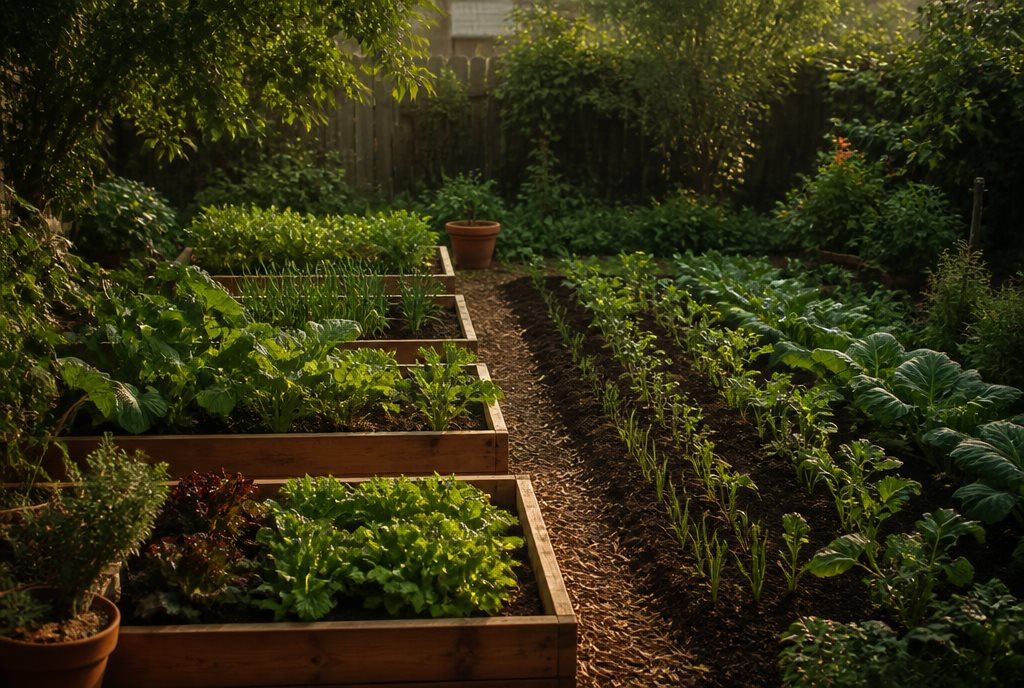
Somewhere in the last twenty years, the raised bed stopped being a technique and became a default. New gardeners assume a vegetable garden means lumber, and the pictures agree. This entry is the almanac's honest comparison, written to save you either a few hundred dollars or a few wasted seasons, depending on which way your yard actually points.
The case for raised beds is real, so let us make it properly. A raised bed is filled soil, which means you choose the soil; if your yard offers heavy clay, builder's rubble, or the compacted grief of a former driveway, a raised bed replaces a five-year soil improvement project with a weekend and a delivery. It drains well in wet springs and warms one to two weeks earlier, which in a short-season climate is a real head start. The defined edge keeps lawn grass from creeping in, the height spares knees and backs, and a bed you never step in keeps its soil loose. None of that is marketing; it is all true.
Now the bill. A single eight-by-four bed built from decent lumber and filled with purchased soil mix routinely runs two to three hundred dollars, and most gardens want more than one. The lumber weathers; untreated pine gives you five to eight years before rebuilding. And the same drainage that saves a wet spring costs you all summer: raised soil dries from the sides as well as the top, so beds want watering noticeably more often than the ground beside them, in exactly the deep-vs-often rhythm the watering entries preach. In a hot, dry climate, height is a liability, not a feature.
The case for in-ground is quieter and mostly financial: the soil is already there, and it is probably better than its reputation. Most yards do not have ruined soil; they have unexamined soil. Native ground holds moisture longer, connects your plants to the deep water table and the resident earthworms, costs nothing to expand, and asks nothing when you change your mind about the layout. Its price is patience: a first-year in-ground bed in average soil, woken up with a few inches of compost, will not match a first-year raised bed of purchased mix. By year three, fed annually the way the compost entry describes, it usually has caught up, and it kept your two hundred dollars.
So decide on conditions, not fashion. Choose raised beds when the native soil is genuinely bad or contaminated, when the ground stays wet late into spring, when your season is short enough that two warm weeks matter, or when bending is the thing standing between you and gardening at all. Near an older house, where lead paint and old soil keep company, a lined raised bed with clean fill is not a style choice; it is the sensible answer, and a soil test settles the question for a few dollars.
Choose in-ground when the budget is tight, the soil drains tolerably, summers run hot and dry, or the garden is big enough that lumber math turns absurd; nobody frames potato rows. If a shovel slides into your lawn and turns up dark, crumbly ground with worms in it, you were about to spend money replacing soil better than what the bags contain.
There is a third answer the either-or debate skips: the mounded row, which is just an in-ground bed raked six or eight inches proud, no lumber. It drains and warms almost like a framed bed, costs nothing, and can be reshaped any season. Market growers, who count every dollar, overwhelmingly garden this way; the frame, it turns out, is mostly for looks and lawn control. A first-year gardener with decent soil could do far worse than two mounded rows and the lumber money spent on compost and seed.
Whichever way you build, the fundamentals do not change sides. Deep watering grows the same deep roots in a frame as in the ground. Mulch earns its keep even harder on a raised bed, slowing that sideways drying. Compost is the annual rent on fertility either way. The box is a container for those habits, not a substitute for them.
The honest summary: raised beds buy speed, drainage, warmth, and comfort with money and a higher water bill; in-ground buys resilience and scale with patience. Small garden, bad soil, wet spring, aching back: build the beds and enjoy them. Decent soil, hot summers, big ambitions, tight budget: plant the ground you own. It was growing things long before lumber got involved.
New entries land here through the season.
Follow the garden day to day on Facebook